- Start With Full-Service Steel Fabrication Services
- Verify Industry-Specific Experience
- Check for AS9100 Certification
- Review Their Custom Work Portfolio
- Assess Production Capacity and Scalability
- Evaluate Their Engineering Support
- Understand Their Quality Control Process
- Consider Supply Chain Reliability
- Calculate the True Cost of Partnership
- Make the Decision
- Frequently Asked Questions
Key Takeaways
- Full-service steel fabrication services eliminate vendor coordination delays and ensure consistent quality across all production stages.
- AS9100 certification and industry-specific experience are essential indicators of a fabricator’s ability to meet defense and aerospace requirements.
- Total cost of partnership includes hidden expenses like rework, delays, and quality issues, not just the per-unit price.
Choosing a steel fabrication partner affects everything that comes after.
The wrong choice leads to missed deadlines, quality issues, and budget overruns. We’ve seen it happen. A single week-long delay from an unreliable supplier can cost tens of thousands in overtime and expedited shipping fees. That’s just to meet one deadline.
The right partner becomes an extension of your engineering team. They understand your specifications, meet your timelines, and deliver components that pass inspection the first time.
We’ve spent over four decades in metal fabrication for defense and aerospace. We’ve seen what works and what doesn’t. Here’s what you need to know when evaluating steel fabrication services.
Start With Full-Service Steel Fabrication Services
Managing multiple vendors creates friction at every stage.
You coordinate between a fabricator, a machinist, a finishing shop, and maybe a brazing specialist. Each handoff introduces delay risk. Each vendor operates on different quality standards. Communication breaks down. Timelines slip.
A 30-week build at a full-service provider can stretch to 40-50 weeks when you split it across multiple vendors. That’s not accounting for the inspection time between each stage.
Full-service manufacturing capabilities eliminate these friction points.
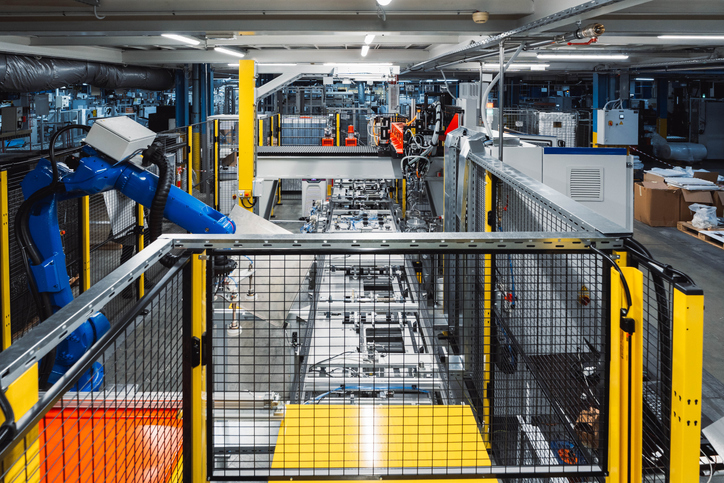
When one company handles aluminum brazing, high-precision machining, and metal fabrication under one roof, you get:
- Single point of contact for the entire project
- Consistent quality standards across all operations
- Faster turnaround without inter-vendor delays
- Reduced transportation costs between facilities
- Streamlined communication on design changes
We operate this way at NAMF. As established metal fabricators in NJ, our Fairfield facility houses dip brazing, sheet metal fabrication, and brass milling services. Our Ronkonkoma, NY location (New Age Precision Manufacturing) expands our capacity for CNC rapid prototyping and precision machining.
This setup means your ruggedized enclosure gets brazed, machined, and finished without leaving our quality control oversight.
Verify Industry-Specific Experience
Defense machining and aerospace fabrication demand precision that most industries don’t require.
Your components operate in extreme environments. They protect sensitive electronics. They maintain structural integrity under conditions that would destroy consumer-grade parts.
Experience in your industry matters more than general fabrication capability.
Look for fabricators who understand:
- MIL-SPEC and MIL-STD requirements
- ITAR compliance protocols
- First Article Inspection (FAI) processes
- Design for Manufacturability (DFM) in high-reliability applications
- Environmental testing requirements
The aerospace and defense materials market continues to grow, driven by demand for sustainable metals and lightweight, high-performance materials. Fabricators who understand these material requirements bring value beyond basic cutting and forming.
We’ve worked in military fabrication and aerospace since 1979. We know what happens when a component fails in the field. That knowledge shapes how we approach every project.
Check for AS9100 Certification
Certifications tell you how a company operates when you’re not watching.
AS9100 certification demonstrates a quality management system designed specifically for aerospace manufacturing. It’s not optional in this industry. Major aerospace manufacturers and defense contractors require it as a condition of doing business.
The certification process verifies:
- Documented quality control procedures
- Regular internal audits
- Supplier management protocols
- Risk management systems
- Continuous improvement processes
Companies with AS9100 certification undergo regular third-party audits. They maintain detailed records of every process. They track non-conformances and implement corrective actions.
This level of oversight catches problems before they reach your production line.
We maintain AS9100D certification along with NADCAP and NAVSEA accreditations. These aren’t marketing badges. They represent audited proof that our quality systems meet the standards your projects demand.
Review Their Custom Work Portfolio
Past projects reveal capability better than any sales pitch.
Ask to see examples of custom work similar to your requirements. Look for complexity that matches or exceeds your specifications. Pay attention to the details: weld quality, surface finish, and dimensional accuracy.
A strong portfolio shows:
- Range of materials they’ve successfully worked with
- Complexity of geometries they can produce
- Quality of finished assemblies
- Experience with your specific application type
If they can’t show you relevant examples, they probably haven’t done that type of work before. Your project becomes their learning curve.
We specialize in ruggedized dip-brazed enclosures and precision-machined components for defense applications. Our portfolio includes custom assemblies that have passed rigorous military specifications and operated successfully in field conditions.
Assess Production Capacity and Scalability
Production capacity determines whether a fabricator can meet your timeline.
An overloaded shop will push your delivery date regardless of what the quote says. They’ll prioritize larger customers. Your project sits in queue while deadlines approach.
Ask specific questions about capacity:
- How many similar projects are you currently running?
- What’s your typical lead time for projects like this?
- Can you handle volume increases if we need to scale?
- Do you have backup capacity if equipment goes down?
Lead time covers more than just production. It includes design review, procurement, prototyping, testing, assembly, finishing, and shipping. Variables at any stage can extend timelines.
Our facility in Fairfield provides room for growth. We maintain equipment redundancy across both locations. This setup gives us the flexibility to handle urgent requests and scale production when your program requirements increase.
Evaluate Their Engineering Support
The best fabrication partners improve your designs before production starts.
They identify manufacturability issues early. They suggest material substitutions that reduce cost without compromising performance. They catch tolerance stackups that would cause assembly problems.
Engineering support includes:
- Material selection guidance
- Tolerance analysis
- Cost optimization suggestions
- Prototype development capability
This collaborative approach saves time and money. Changes on paper cost nothing. Changes after you’ve ordered 500 units cost everything.
Our engineering team reviews every design for manufacturability. We work with your engineers to refine specifications before we commit to production. This process has prevented countless issues that would have surfaced during First Article Inspection.
Understand Their Quality Control Process
Quality control separates fabricators who talk about precision from those who deliver it.
Most supply chain issues occur pre-shipment. Many of these stem from inadequate quality control during production.
A robust quality system includes:
- Incoming material inspection
- In-process verification at critical stages
- Final inspection with documented results
- Calibrated measurement equipment
- Statistical process control where applicable
Ask to see their inspection reports. Request details about their measurement capabilities. Verify they can provide the documentation your quality team requires.
We inspect material when it arrives, verify dimensions during fabrication, and conduct a final inspection before shipping. Our quality documentation meets defense contractor requirements. Every part leaves with a paper trail that proves compliance.
Consider Supply Chain Reliability
Your fabricator’s supply chain becomes your supply chain.
Raw material shortages, transportation issues, and unreliable suppliers create ripple effects. These problems show up as your missed deadlines and increased costs.
Evaluate their supply chain approach:
- Do they maintain material inventory for common specifications?
- Who are their primary material suppliers?
- What’s their backup plan when suppliers can’t deliver?
- How do they handle material traceability requirements?
Fabricators with established supplier relationships and material inventory can absorb supply chain disruptions better than those ordering everything as needed.
We maintain relationships with certified material suppliers and stock commonly used alloys. This approach reduces procurement delays and ensures material traceability for defense applications.
Calculate the True Cost of Partnership
The lowest quote often becomes the highest total cost.
Price per unit matters. But total cost includes rework, delays, expediting fees, and the time your team spends managing problems.
Factor in these hidden costs:
- Rework and scrap from quality issues
- Expedited shipping to recover from delays
- Engineering time spent on corrective actions
- Inspection resources for incoming quality problems
- Program delays that affect your customer relationships
Most B2B buyers who switch suppliers do so because of service issues, not price.
We price competitively because our processes are efficient. Full-service capabilities eliminate transportation costs between vendors. Our quality systems prevent the expensive problems that inflate total cost.
Make the Decision
You need a fabrication partner who understands what’s at stake.
Defense and aerospace components don’t get second chances. They work in the field or they fail. The fabricator you choose determines which outcome you get.
Look for these fundamental qualities:
- Full-service capabilities that eliminate vendor coordination
- Proven experience in defense and aerospace applications
- AS9100 certification and other relevant accreditations
- Production capacity that matches your timeline requirements
- Engineering support that improves your designs
- Quality systems that prevent problems before shipping
- Reliable supply chain management
These aren’t optional features. They’re requirements for successful fabrication partnerships in high-reliability industries.
At NAMF, we’ve built our business around these principles for over four decades. We operate two facilities with full-service capabilities. We maintain the certifications your contracts require. We deliver precision-engineered components that meet military specifications.
Your next program deserves a fabrication partner who gets it right the first time.
Partner With Experts in Precision Metal Fabrication
NAMF delivers full-service steel fabrication services with over 40 years of defense and aerospace expertise. Let’s discuss how we can support your next project.